
WhatsApp Marketing & Social Commerce: The Future of Online Business

WhatsApp Marketing & Social Commerce: The Future of Online Business
 Rutuja Gaikwad
In today’s digital marketplace, customers want more than advertisements. They want quick answers, convenient shopping, personalized recommendations, and a simple way to connect with businesses. This is where WhatsApp marketing and social commerce have become valuable tools for brands of all sizes.
WhatsApp is no longer used only for personal conversations. Businesses use it to share product updates, answer customer questions, provide support, send offers, and guide people toward purchases. At the same time, social commerce allows customers to discover products through social platforms and take the next step toward buying without leaving the digital experience.
When used together, these strategies can help businesses build stronger relationships, improve customer experiences, and create more opportunities for sales.
What Is WhatsApp Marketing?
WhatsApp marketing is the practice of using WhatsApp to communicate with customers, promote products or services, nurture leads, and support business growth. Unlike traditional advertising, which mainly focuses on reaching a large audience, WhatsApp marketing encourages direct, two-way conversations.
Businesses can use the WhatsApp Business app to create a professional business profile, organize customer chats, use quick replies, and manage customer communication more efficiently.
WhatsApp Help Center
For example, a clothing store can use WhatsApp to:
1. Share new arrivals with interested customers
2. Send personalized product recommendations
3. Answer questions about sizes, colors, and prices
4. Provide order and delivery updates
5. Collect customer feedback
6. Inform customers about special offers
The main strength of WhatsApp marketing is that it allows businesses to communicate through a channel customers already use regularly.
Understanding Social Commerce
Social commerce is the process of discovering, exploring, and purchasing products through social media platforms or social communication channels.
Traditional online shopping usually follows this journey:
Search engine → Website → Product page → Cart → Checkout
Social commerce creates a more interactive journey:
Social media content → Product discovery → Conversation → Product selection → Purchase
Customers may discover a product through an Instagram post, Facebook advertisement, WhatsApp Status, or a recommendation from a creator. They can then ask questions, compare options, and make a purchase through the available business process.
Social commerce is especially useful for products that benefit from visual presentation and personal interaction, such as:
- Fashion and accessories
- Beauty and skincare
- Home décor
- Food and homemade products
- Customized gifts
The goal is not simply to sell through social media. It is to make the buying experience more convenient, conversational, and connected.
How WhatsApp Marketing and Social Commerce Work Together
1. Attract customers through social media

Businesses use Instagram, Facebook, YouTube, and other platforms to showcase products, share useful content, and reach potential customers.
WhatsApp and social media can support different stages of the customer journey.
2. Start a conversation on WhatsApp

Interested customers can click a WhatsApp link or an advertisement that opens a chat with the business. This gives them a direct way to ask questions.
3. Help customers choose
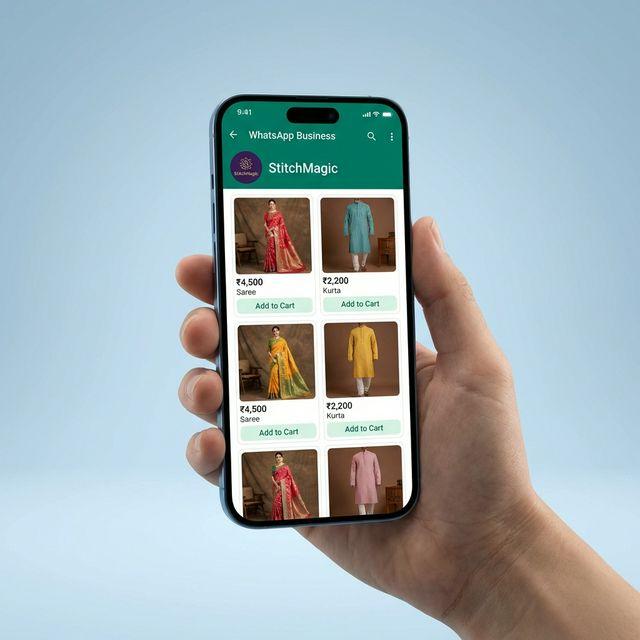
Businesses can share product details, images, prices, availability, and recommendations to help customers make informed decisions.
4.Complete the purchase and provide support

Depending on the business setup, customers can place orders, receive payment instructions, and get updates through the same conversation.
Why WhatsApp Marketing Is Important for Businesses
- Direct and Personal Communication
WhatsApp allows businesses to communicate with customers in a more personal way than many traditional advertising channels. A message can address a customer’s specific question, recommend a suitable product, or provide an update about an existing order.
For example, instead of sending a generic message such as “New products available now!”
Personalized communication can make customers feel understood rather than treated as just another number. - Faster Customer Support
Customers often abandon a purchase when they cannot get answers quickly. WhatsApp gives businesses a convenient channel to respond to common questions about:
Product availability
Pricing
Delivery timelines
Return policies
Payment methods
Appointment bookings
Service details
Features such as greeting messages, away messages, and quick replies can help businesses handle frequently asked questions more efficiently. - Better Customer Engagement
Social media posts may attract attention, but conversations help businesses build relationships. WhatsApp can be used to share useful updates, request feedback, announce new collections, and reconnect with previous customers.
The most effective engagement is not based on sending messages every day. It is based on sending information that is relevant and useful to the customer. - Cost-Effective Marketing Opportunities
For small businesses, marketing budgets can be limited. WhatsApp can provide a practical way to communicate with existing customers and interested leads without depending entirely on expensive advertising campaigns.
However, businesses should understand that some WhatsApp marketing features may involve charges, availability limitations, or specific eligibility requirements. For example, WhatsApp’s marketing-message features and business broadcasts vary by market and may be paid services. - Stronger Customer Retention
Getting a new customer is important, but encouraging existing customers to return can be equally valuable. Businesses can use WhatsApp to share:
Reorder reminders
Product care tips
New collection announcements
Effective WhatsApp Marketing Strategies for Social Commerce
- Build an Opt-In Customer List
The first step is to communicate with people who genuinely want to hear from your business. Businesses can invite customers to subscribe through:
Website forms
Checkout pages
QR codes in stores
Social media profiles - Segment Your Audience
Not every customer is interested in the same products. Sending identical messages to everyone can reduce engagement and make communication feel irrelevant.
Businesses can organize audiences based on:
Previous purchases
Product interests
Location
Customer preferences - Create Content That Helps Customers
Good WhatsApp marketing is not only about discounts. Customers also appreciate information that helps them make better decisions.
Useful content may include:
Product demonstrations
Styling or usage tips
Frequently asked questions - Use Clear Calls to Action
Every marketing message should have a clear purpose. Customers should understand what they can do next.
Examples of effective calls to action include:
View the catalog
Reply to check availability
Book an appointment - Make the Buying Process Simple
A customer may be interested in a product but leave if the ordering process is confusing. Businesses should clearly explain:
How to select a product
How to confirm availability
How to place an order
Examples of WhatsApp Marketing for Different Businesses
Fashion Boutique

A boutique can share new arrivals, send personalized outfit suggestions, announce seasonal collections, and help customers check sizes or colors.
Handmade and Customized Products

Businesses selling customized gifts can use WhatsApp to collect requirements, share design previews, confirm personalization details, and provide order updates.
How to Measure WhatsApp Marketing Success
To understand whether a WhatsApp marketing strategy is working, businesses should track meaningful performance indicators.
| Metric | What It Helps Measure |
| Message delivery | Whether messages are reaching the intended audience |
| Read rate | How many recipients viewed the message, where reporting is available |
| Reply rate | How many customers responded or started a conversation |
| Click-through rate | How many people clicked a product, website, or action link |
| Leads generated | The number of potential customers acquired |
| Conversion rate | The percentage of inquiries that result in a purchase or desired action |
| Customer retention | Whether customers return and engage again |
The Future of WhatsApp Marketing and Social Commerce
WhatsApp marketing is moving toward more integrated and conversational customer experiences. Businesses are increasingly exploring ways to combine messaging, product discovery, customer support, automation, and payments.
Meta has announced developments involving centralized campaigns across Facebook, Instagram, and WhatsApp, as well as AI-powered business support and product recommendations. Availability and functionality can vary by market and business eligibility.
In India, Meta has also announced Business AI capabilities for eligible small businesses, including assistance with customer questions, product recommendations, lead capture, and sales-related conversations.
These developments suggest that social commerce will increasingly focus on helping customers move from discovery to decision-making within connected digital experiences.
However, technology alone will not guarantee success. Businesses still need accurate product information, responsive service, transparent policies, and a customer-first approach.
Conclusion
WhatsApp marketing and social commerce offer businesses a practical way to connect with customers, showcase products, answer questions, and support sales. By combining social media discovery with direct messaging, businesses can create a more convenient and personalized customer journey.
The most successful strategy is not about sending the maximum number of promotional messages. It is about delivering the right message to the right customer at the right time.
Businesses that focus on useful content, permission-based communication, personalized service, simple purchasing processes, and consistent follow-up can use WhatsApp as more than a marketing channel. They can turn it into a valuable part of their customer relationship and sales strategy.
In short, WhatsApp marketing brings the conversation closer to the customer, while social commerce makes the path from discovery to purchase more connected.