
AI Marketing Automation: A Complete Guide to Smarter, Faster Marketing in 2026
AI Marketing Automation: A Complete Guide to Smarter, Faster Marketing in 2026
 Rutuja Gaikwad
AI marketing automation is changing how businesses attract customers, communicate with audiences, and improve marketing performance. Instead of handling every campaign, message, and follow-up manually, businesses can use artificial intelligence to analyze data, personalize communication, and automate repetitive tasks.
But AI marketing automation is not simply about replacing people with software. Its real value comes from combining technology with creativity, strategy, and a clear understanding of customer needs.
In this guide, we’ll explore what AI marketing automation means, how it works, its benefits, practical use cases, the tools businesses can use, and how to implement it successfully.
What Is AI Marketing Automation?
AI marketing automation is the use of artificial intelligence to automate marketing activities while making them more intelligent and personalized.
Traditional marketing automation follows fixed rules. For example, when someone fills out a form, the system sends a predefined email. AI-powered automation can go further by analyzing customer behavior, identifying patterns, predicting interests, and adjusting the next action based on available data.
In simple terms:
Marketing automation handles repetitive work. AI helps make that work smarter.
AI marketing automation can support activities such as email marketing, customer segmentation, lead nurturing, content creation, social media management, advertising, and performance analysis.
How Does AI Marketing Automation Work?
AI marketing automation typically follows a connected process. The exact workflow depends on the business and the tools being used.
1.Collect customer data
Businesses collect information from website visits, email interactions, social media engagement, purchases, forms, and customer service conversations.
Example: A visitor views several product pages and downloads a guide.
2. Analyze behavior

AI tools examine patterns in customer activity. They may identify interests, engagement levels, purchase intent, or the likelihood of responding to a campaign.
Example: The system recognizes that the visitor is interested in a particular service.
3. Choose a relevant action

Based on the available information and business rules, the system can recommend or trigger a suitable next step.
Example: It sends a relevant follow-up email rather than a generic promotional message.
4. Automate the workflow
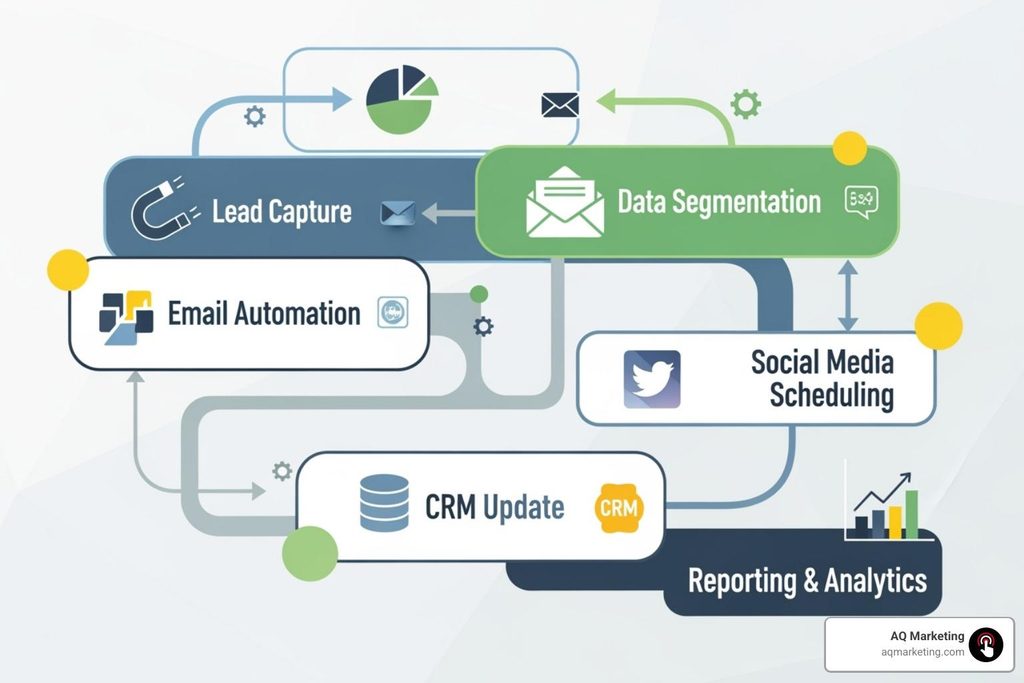
The selected action can be connected to a workflow involving email, CRM updates, audience lists, notifications, or advertising platforms.
Example: A lead receives educational content, and the sales team is notified when the lead meets defined criteria.
5.Measure and improve

Marketers review campaign performance, customer responses, and conversion data. These insights help improve future campaigns and automation rules.
Example: A business discovers that educational emails generate more engagement than frequent sales messages.
Key Benefits of AI Marketing Automation
- Saves Time on Repetitive Tasks
Marketing teams often spend hours scheduling emails, organizing contacts, updating customer records, preparing reports, and responding to common questions.
AI automation can reduce manual effort by handling repetitive parts of these processes. This gives marketers more time to focus on strategy, creative work, customer relationships, and business growth. - Creates More Personalized Customer Experiences
Customers respond better when marketing messages are relevant to their interests and stage in the buying journey.
AI can help businesses personalize:
Email subject lines and content
Product or service recommendations
Website experiences
For example, an online store may send different product recommendations to a first-time visitor and a returning customer based on their interactions. - Improves Lead Nurturing
Not every lead is ready to make a purchase immediately. Some need more information, while others may be close to making a decision.
AI-powered lead nurturing can help identify engagement patterns and deliver appropriate content over time. A potential customer might receive a helpful guide first, followed by a case study and then a product demonstration invitation. - Helps Improve Marketing Efficiency
AI tools can analyze campaign data and identify patterns that may be difficult to notice manually. They can help marketers understand which audiences engage with content, which channels generate leads, and which messages need improvement. - Supports Better Decision-Making
AI can help summarize campaign results, identify unusual changes, organize customer feedback, and highlight opportunities for further analysis. This can make reporting faster and help teams spend more time interpreting results. - Helps Businesses Scale Communication
As a business grows, communicating with every customer manually becomes difficult. Automation allows a business to maintain consistent communication across larger audiences while still using relevant segments and personalized content.
Popular Use Cases of AI Marketing Automation
AI marketing automation can be applied across different stages of the customer journey.
1.Email Marketing Automation
Email marketing is one of the most common areas where automation and AI work together.
Businesses can use AI to assist with:
Audience segmentation
Subject-line suggestions
Content personalization
Send-time recommendations
2.Lead Scoring and Nurturing
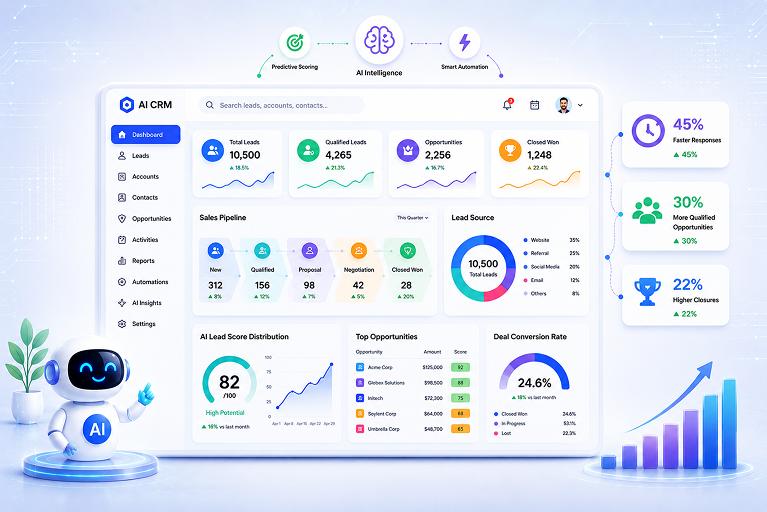
AI can help sales and marketing teams organize leads according to engagement signals, such as page visits, form submissions, email interactions, and content downloads.
A lead scoring system may help identify which contacts need educational content and which may be ready for a sales conversation.
3.Chatbots and Customer Communication
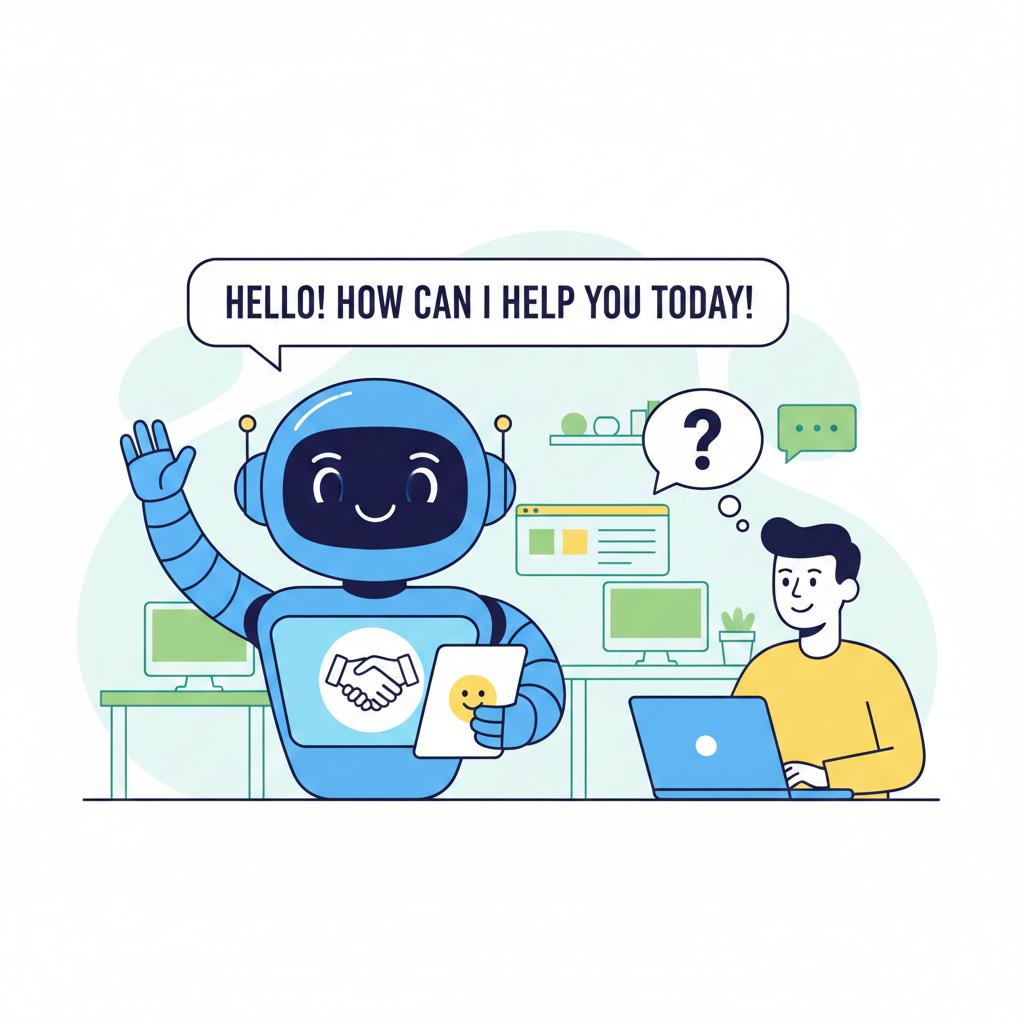
AI-powered chatbots can help answer frequently asked questions, guide visitors to relevant pages, collect basic information, and direct complex queries to human support teams.
They are particularly useful for handling repetitive questions outside regular business hours.
4.Content Marketing and Social Media
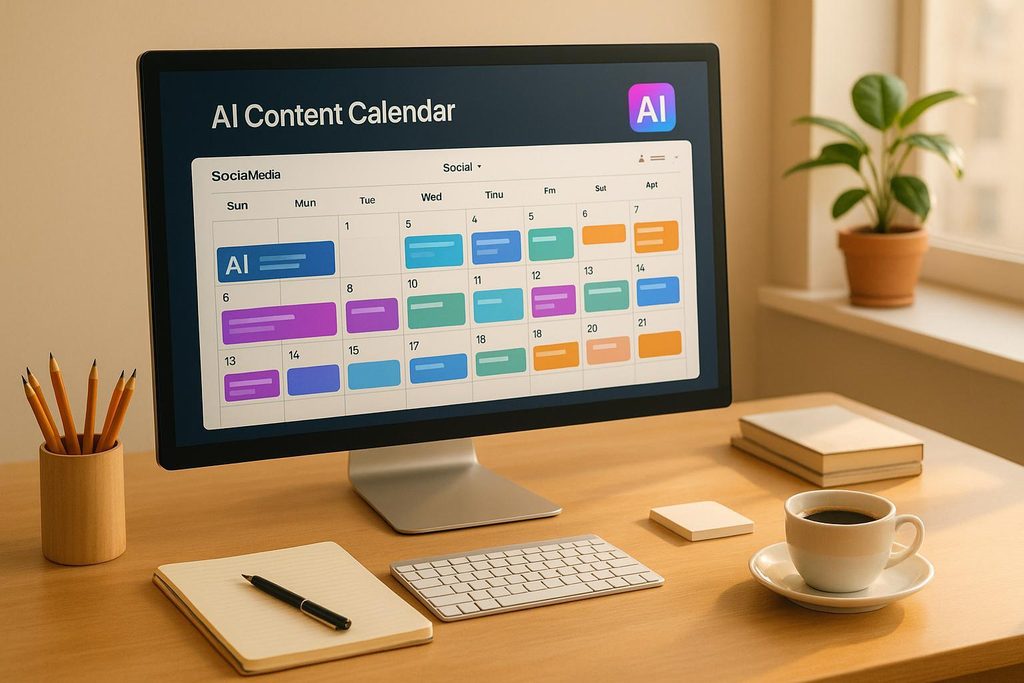
AI can assist with content ideation, outlines, captions, content repurposing, scheduling suggestions, and audience analysis.
For example, a long blog post can be adapted into a newsletter, a short social media caption, or a series of educational posts.
Human review remains important to ensure that content is accurate, original, brand-appropriate, and useful to the audience.
5.Advertising Optimization
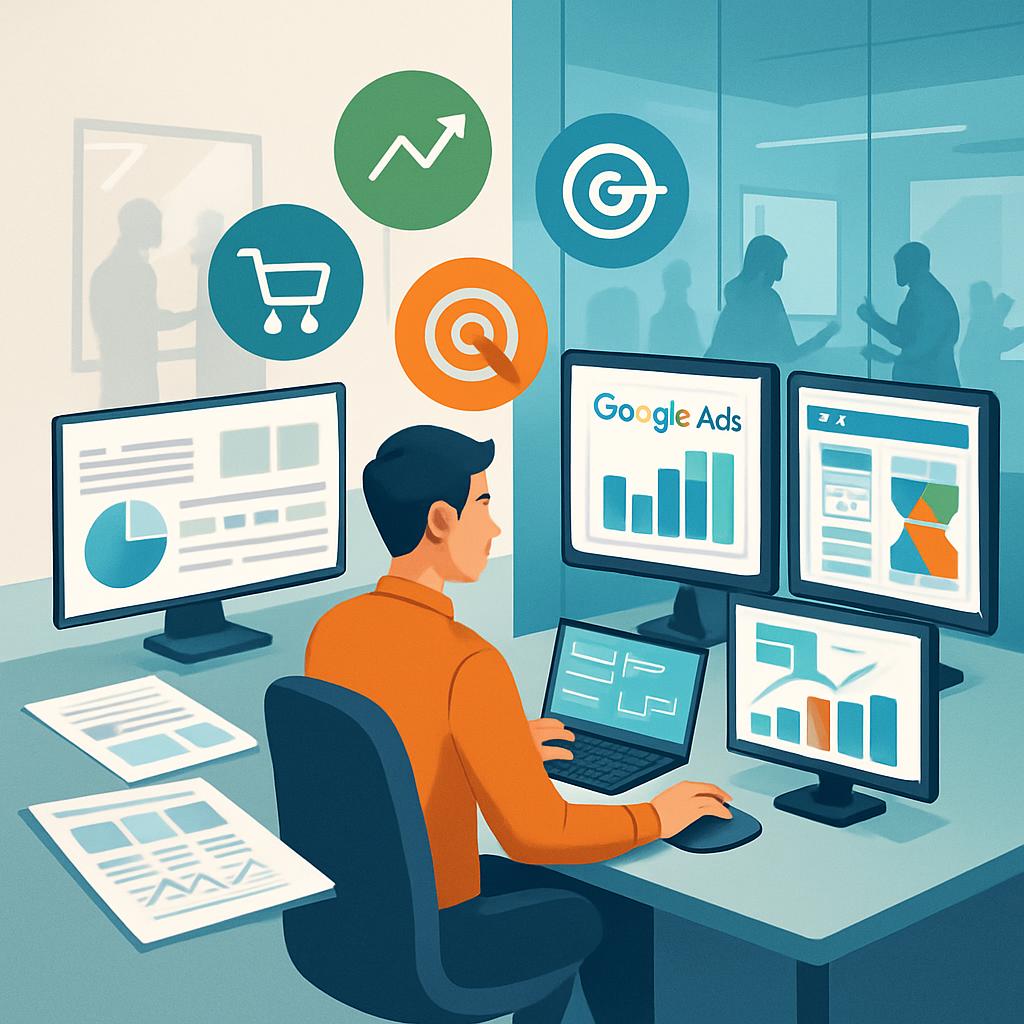
AI is increasingly used in advertising platforms to support audience targeting, creative testing, bidding, campaign optimization, and performance analysis.Marketers can use these capabilities to identify patterns and improve campaign efficiency.Example: An advertiser tests multiple creative variations and uses performance data to decide which messages deserve further testing.
AI Marketing Automation Tools to Explore
The right tool depends on your business size, budget, marketing channels, and technical requirements. Below are examples of platforms and tool categories businesses commonly explore.
HubSpot
A customer platform offering CRM, marketing automation, email workflows, reporting, and AI-assisted features. It may suit businesses that want marketing and customer data connected in one system.
Mailchimp
An email marketing platform with audience management, campaign automation, analytics, and AI-assisted marketing features. It is often considered by small businesses and growing teams.
ActiveCampaign
A customer experience automation platform focused on email marketing, customer journeys, CRM, and automation workflows.
How to Implement AI Marketing Automation in Your Business
Starting with AI does not mean automating every marketing activity at once. A focused approach is usually easier to manage and measure.
1. Define a clear marketing goal
Decide what you want to improve before selecting a tool.
Possible goals include:
Increasing qualified leads
Improving email engagement
2.Map your customer journey
Identify the stages a customer moves through, from first discovering your business to making a purchase and returning.
Ask questions such as:
How do customers find us?
What information do they need?
3.Choose the right data and tools
Review your existing CRM, website analytics, email platform, advertising accounts, and customer databases.
Select tools that integrate with your current systems. Avoid choosing software only because it has many AI features. A tool should solve a real business problem and fit your team’s workflow.
4.Start with one simple workflow
Begin with a manageable use case, such as:
Welcome email automation
Lead follow-up reminders
5.Test before going live
Check whether the workflow sends the correct message to the correct audience at the correct time.
Review:
Personalization accuracy
Email links and formatting
Customer consent and preferences
6.Measure meaningful results
Track metrics connected to your original goal. Depending on the workflow, these may include:
Conversion rate
Qualified leads
7.Improve and expand gradually
Use performance data and customer feedback to refine the workflow. Once one automation process works reliably, consider expanding to another stage of the customer journey.
Challenges and Risks of AI Marketing Automation
AI marketing automation offers valuable opportunities, but it also introduces challenges that businesses should consider.
Data Privacy and Consent
Marketing systems often process customer information. Businesses need to understand what data they collect, why they collect it, how it is used, and whether they have the appropriate consent or legal basis.
Inaccurate or Irrelevant Outputs
AI-generated content and recommendations can contain errors, misunderstandings, or unsuitable suggestions. Automated messages should be reviewed, especially when they involve pricing, product claims, customer complaints, or sensitive information.
Over-Automation
Too much automation can make communication feel repetitive or impersonal. Customers may become frustrated if they receive too many messages or cannot reach a real person.
Poor-Quality Data
AI systems depend on the information they receive. Duplicate contacts, outdated customer details, incomplete tracking, or disconnected platforms can lead to poor recommendations and ineffective workflows.
Integration and Cost
Marketing automation tools may require setup, training, integrations, and ongoing maintenance. Businesses should consider the total cost—not just the subscription price.
Lack of Human Oversight
AI should support marketing decisions, not remove accountability. Teams should define who reviews automated content, monitors campaign performance, handles errors, and updates workflows.
The Future of AI Marketing Automation
AI marketing automation is likely to become more integrated into everyday marketing workflows. Businesses may increasingly use AI to support campaign planning, customer journey analysis, content adaptation, predictive insights, and cross-channel coordination.
However, future success will not depend only on adopting the newest technology.
Businesses will also need:
Reliable customer data
Strong marketing strategy
Clear privacy practices
High-quality content
Human creativity
Responsible use of AI
Continuous measurement
The brands that benefit most will be those that use AI to improve customer experiences rather than treating automation as a substitute for meaningful communication.
Conclusion
AI marketing automation is helping businesses work more efficiently, personalize customer experiences, and make better use of marketing data. From email campaigns and lead nurturing to chatbots, advertising, and reporting, AI can support many parts of the marketing process.
But successful automation requires more than choosing a tool. Businesses need clear goals, accurate data, thoughtful workflows, and regular human oversight.